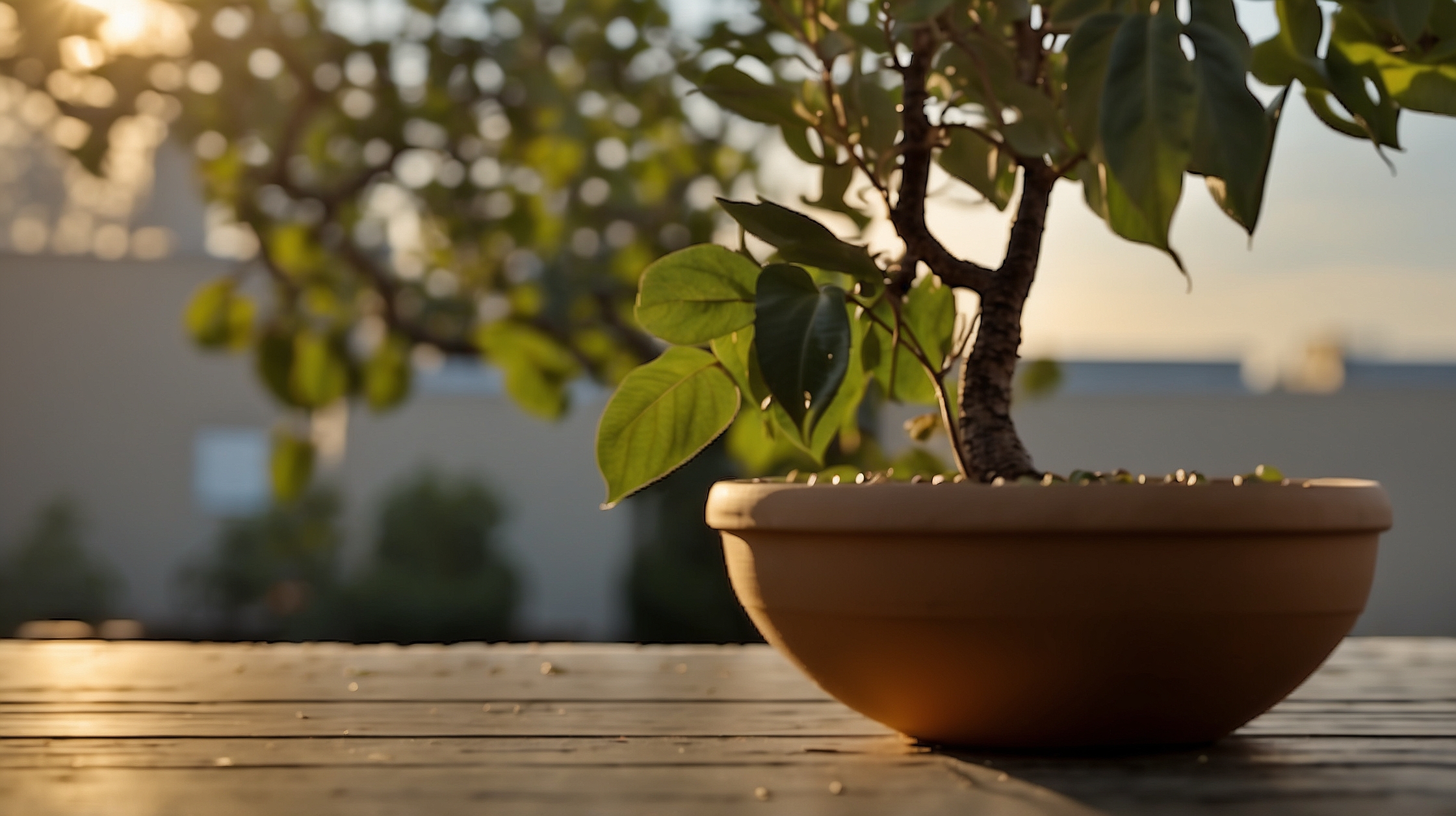
Growing your own exotic fruit tree may sound like a dream reserved for warm, tropical climates, but more and more gardeners in temperate zones are testing the limits of what’s possible. Among the most surprising and delightful horticultural experiments is cultivating a **miniature South American fruit tree in pots** right at home. From city balconies in New York to patios in Berlin, these tiny trees are charming enthusiasts with their colorful foliage, fragrant blossoms, and — if you’re lucky — sweet, edible fruit.
But is growing a tropical tree in a container really a *smart move* or a *horticultural misadventure*? The answer depends on a mix of factors: your climate, commitment level, available sunlight, and just how much TLC you’re prepared to give. Let’s dive into the nuances of successfully nurturing these pint-sized tropical wonders, and whether they’re a worthwhile addition to your indoor or patio garden.
Quick overview of miniature South American fruit trees in pots
| Aspect | Details |
|---|---|
| Common Varieties | Guava, Pitanga (Surinam cherry), Jabuticaba, Miniature Mango |
| Climate Needs | Prefers subtropical to tropical; indoor cultivation possible in colder zones |
| Container Size | 10–20 gallons recommended for mature plants |
| Light Requirements | 8+ hours of direct sun or grow lights |
| Time to Fruit | 2–4 years with proper care |
| Care Level | Moderate to challenging; requires pruning and humidity control |
What makes these trees so attractive to home gardeners
Miniature tropical fruit trees provide a rewarding gardening experience and a unique decorative accent for your space. They combine **tropical flair** with practical sizing, making them ideal for people without access to land. These compact versions of larger species offer edible fruit that is often hard to find in supermarkets, such as the tangy-sweet jabuticaba or the tart pitanga, both known for their high antioxidant levels and intense flavor.
For urban dwellers, space is a premium, and these trees offer an enriching way to bring nature into an otherwise concrete-heavy environment. Their year-round visual appeal—from glossy green leaves to vibrant blossoms—adds aesthetic value beyond just the eventual harvest.
The most popular types of mini fruit trees from South America
Not all tropical fruit trees thrive in a pot, but several South American varieties adapt particularly well to container life:
- Jabuticaba: Known as the “tree that fruits on its trunk,” this Brazilian native produces small grape-like berries directly on its bark. It tolerates pruning and can fruit in a pot.
- Surinam Cherry (Pitanga): This small tree or large shrub yields bright red, tart fruits with ridges. It’s cold-sensitive but thrives indoors with sufficient light.
- Miniature Guava: Several dwarf cultivars are available that bear guava fruit in just a few years. Their sweet aroma and decorative shape are added bonuses.
- Dwarf Mango: While more challenging, some varieties like ‘Pickering’ and ‘Cogshall’ manage well in containers if humidity and light are well-managed.
Challenges to expect with pot-grown tropical trees
The major hurdle when growing South American fruit trees in pots is **climate control.** These species evolved in regions of consistent humidity, stable temperatures, and lots of sunlight. Bringing them into a different climate means you must recreate at least some of those conditions. Central heating in winter can dry out the air, forcing the need for humidifiers or pebble trays. Similarly, low winter light levels may require full-spectrum grow lights to keep foliage from dropping and maintain photosynthesis.
Another issue is the **limited root space** in containers. Even dwarf varieties need enough room to establish robust roots. That means periodic repotting, root-pruning or upgrading to larger pots every few years. You’ll need to ensure proper drainage to avoid root rot, a common fatal mistake among new growers.
Climate moderation and overwintering tips
Winter is the proving ground for your dedication. While these trees don’t tolerate frost, they also get stressed by dramatic shifts in indoor temperatures. Placing them near double-paned south-facing windows or in a sunroom can mitigate shock. Portable greenhouse sleeves or even temperature-controlled grow tents are other solutions that have gained popularity among hobbyists.
When it’s time to move the tree indoors in the fall, do it in stages to acclimate the plant slowly. Sudden indoor relocation can worsen leaf drop. Watering should be reduced in winter, but **pay careful attention to humidity levels**, as indoor heating will desiccate air drastically.
What kind of harvest to expect — and when
Don’t expect citrus-style abundance right away. Most miniature fruit trees take **2 to 4 years** before bearing fruit regularly, and only if well cared for. Initial fruiting may be sparse and even fall prematurely due to shock or nutrient imbalances.
Once mature, trees like jabuticaba can produce multiple fruit flushes a year, while guava and pitanga often fruit seasonally. The taste of homegrown tropical fruit is markedly better than store-bought, partially due to freshness and partially due to variety (some cultivars used for home growing are sweeter or more flavorful than those bred for mass shipping).
Winners and losers in this gardening experiment
| Winners | Losers |
|---|---|
| Urban gardeners seeking exotic fruits | Gardeners with low light or dry winters |
| People who enjoy plant care and nurturing | Anyone wanting quick results or zero effort |
| Eco-conscious consumers avoiding imported fruit | Those frequently away from home |
Expert opinions on tropical fruit trees in containers
These trees are incredibly rewarding if you love a bit of a challenge. You won’t get a bumper fruit crop the first year, but the learning experience and satisfaction are priceless.
— Maria Vasquez, Tropical Horticulturist
Humidity and correct lighting are game changers. As long as you treat these as semi-tropical plants, not just regular houseplants, the results will surprise you.
— Dr. Peter Armstrong, Indoor Agriculture Specialist
Frequently asked questions about growing miniature tropical fruit trees
Do I need a greenhouse to grow these trees?
No, but a sunroom, bright window, or grow lights are often essential, especially in colder months. A small portable greenhouse can help with humidity and light retention.
How often should I water a tropical fruit tree in a pot?
Water enough to keep soil evenly moist but not soggy. These trees don’t like either drought or wet feet. Watering frequency depends on season, light levels, and container size.
Can I keep these trees outside year-round?
Only if you live in USDA zones 10–11. In zones 9 and below, you must bring the tree indoors during winter to prevent cold damage.
How long before I see fruit?
Most miniature South American fruit trees take 2–4 years before producing fruit. Good pruning, nutrition, and light access accelerate the process.
Can I grow more than one type of tropical tree in a pot?
Yes, but not in the same pot. You can grow multiple trees in separate containers, but consider their individual light, water, and space needs.
What soil mix is best?
A well-draining tropical plant mix with peat, sand, and organic compost works best. Avoid heavy soils that retain too much water.
Is this suitable for beginners?
Not entirely. These trees require attentive care and environment control. Enthusiastic beginners with patience and commitment can succeed, but it’s not entirely foolproof.
Are pests a problem indoors?
Yes, especially spider mites and scale. Indoors, natural predators are absent, so monitoring and occasional horticultural oil use may be necessary.