The first time I boarded a long-distance Amtrak train, I packed like I was relocating across state lines. By hour six, my Wi-Fi was fading, my snacks were buried, and I realized something important:
Train travel plays by different rules than planes or road trips.
After hundreds of hours riding routes like the California Zephyr and Lake Shore Limited, I’ve learned that long-distance train trips aren’t just transportation — they’re temporary moving communities.
If you’re about to take your first overnight or multi-state ride, here are the 10 best lessons I wish someone had handed me before I boarded.
1. Treat the Train Like a Moving Village
A long Amtrak ride isn’t just a seat — it’s a shared ecosystem.
You’ll see:
- The laptop power-user with a full workstation
- Families negotiating snack diplomacy
- Night owls wandering the aisles at 2 a.m.
- Observation-car regulars claiming their scenic throne
Unlike planes, you’re sharing space for hours (sometimes days). Small courtesies matter:
- Wear headphones
- Keep calls brief
- Don’t sprawl in full cars
- Walk softly at night
When you lean into the “moving village” mindset, the ride feels collaborative instead of chaotic.
2. Pack Like a Realist, Not an Influencer
Your under-seat bag matters more than your aesthetic.
Think about hour 10, not hour 2.
Essentials That Actually Matter:
- Hoodie or soft layer (trains get cold at night)
- Socks
- Eye mask or scarf
- Earplugs or noise-canceling headphones
- Refillable water bottle
- Low-drama snacks (nuts, bars, fruit)
- Small toiletry kit (wipes, toothbrush, lip balm)
- Portable charger or small power strip
Ask yourself:
“Will I want this at 3 a.m. in a chilly train car?”
If not, leave it.
3. Expect the Train’s Rhythm (It’s Slower Than You Think)
Long-distance trains operate on freight-heavy rail networks. That means:
- Delays happen.
- Unexpected stops happen.
- Crawling into cities happens.
Instead of fighting it, plan buffer time after arrival. Don’t schedule something critical within an hour of arrival.
The reward? You get:
- Sunrise over rivers
- Mountain passes in blue light
- Skylines appearing slowly instead of suddenly
Trains teach patience. Sometimes that’s frustrating. Sometimes it’s oddly healing.
4. Choose Your Seat Strategically
If seat selection is available, research which side of the train gets better views for your route.
For example:
- Westbound mountain routes often favor one side.
- Coastal stretches may favor another.
Travel forums and route maps are your friend.
5. Board Early If You Can
Early boarding gives you time to:
- Settle comfortably
- Secure overhead space
- Locate outlets
- Organize your essentials bag
That five-minute head start reduces hours of mild annoyance later.
6. Keep a “Tiny Essentials” Bag at Your Feet
You will constantly reach for:
- Phone
- Headphones
- Snacks
- Charger
- Wallet
- Medications
Don’t bury them overhead. Keep them within arm’s reach.
At night, I loop my backpack strap around my leg for peace of mind.
7. Use the Café Car as a Reset — Not a Survival Plan
Amtrak café food is fine, but not something you want to depend on exclusively.
Bring your own snacks and use the café car for:
- Coffee refills
- Stretch breaks
- People-watching resets
It’s a morale boost — not your primary grocery store.
8. Move Every Few Hours
Long rides mean stiffness.
Every 2–3 hours:
- Walk a few cars
- Stretch your legs
- Visit the observation car
- Reset mentally
Movement prevents that trapped, fuzzy feeling that creeps in overnight.
9. Create a Night Routine
Sleep on trains is possible — but only if you help yourself.
My simple overnight checklist:
- Brush teeth
- Clean face
- Change into soft clothes
- Put phone in low-power mode
- Hoodie + eye mask
- Headphones ready
It sounds small. It makes a big difference.
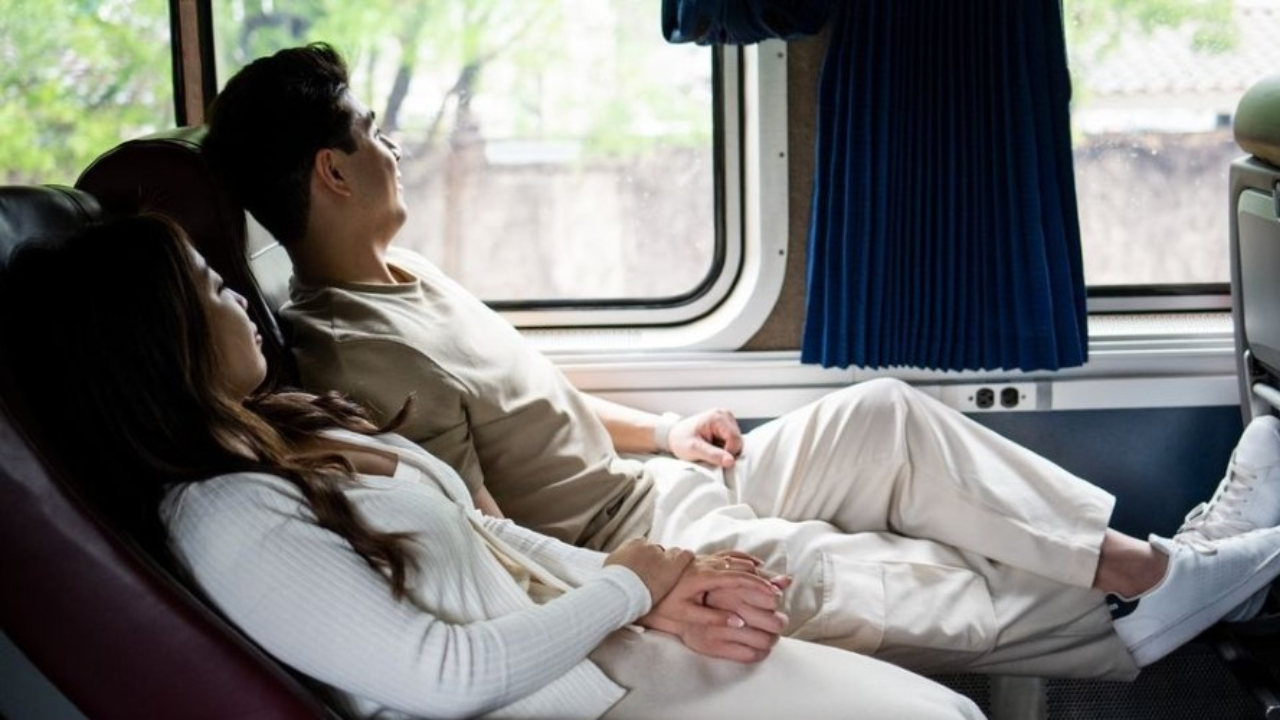
Coach seats recline more than plane seats — but comfort is about preparation.
10. Look Out the Window — Intentionally
When irritation creeps in (and it will), try this:
Put your phone down.
Look out the window for one full minute.
No photos. No scrolling. Just watch.
The country unfolding at 70 mph has a way of resetting your mood.
Why People Keep Booking Long Train Trips
Frequent riders don’t come back because it’s fast. They come back because it feels human.
You share hallways, bathrooms, views, delays, and quiet mornings with strangers you’ll likely never see again.
There’s something deeply grounding about:
- Watching the landscape change slowly
- Waking up to sunrise over water
- Sharing coffee lines with the same faces two days in
It’s not optimized travel.
It’s textured travel.
Key Takeaways
| Key Point | Why It Matters |
|---|---|
| Pack realistically | Comfort beats aesthetics on long rides |
| Respect shared space | Makes the journey calmer for everyone |
| Embrace delays | Reduces stress and improves the experience |
| Keep essentials close | Saves frustration during long stretches |
| Build a night routine | Improves sleep quality significantly |
FAQ for First-Time Amtrak Riders
How early should I arrive?
30–45 minutes before departure is usually enough. For major hubs or checked luggage, aim for 45–60 minutes.
Is coach comfortable overnight?
Yes, especially compared to planes. Seats recline generously and offer solid legroom. Bring comfort layers.
Can I bring my own food?
Yes. Snacks and non-alcoholic beverages are allowed. Personal alcohol consumption is restricted.
How much luggage can I bring?
Most routes allow two carry-ons and two personal items. Keep one small essentials bag accessible.
Is it safe to sleep with my belongings?
Generally yes. Use common sense and keep valuables close to your body.