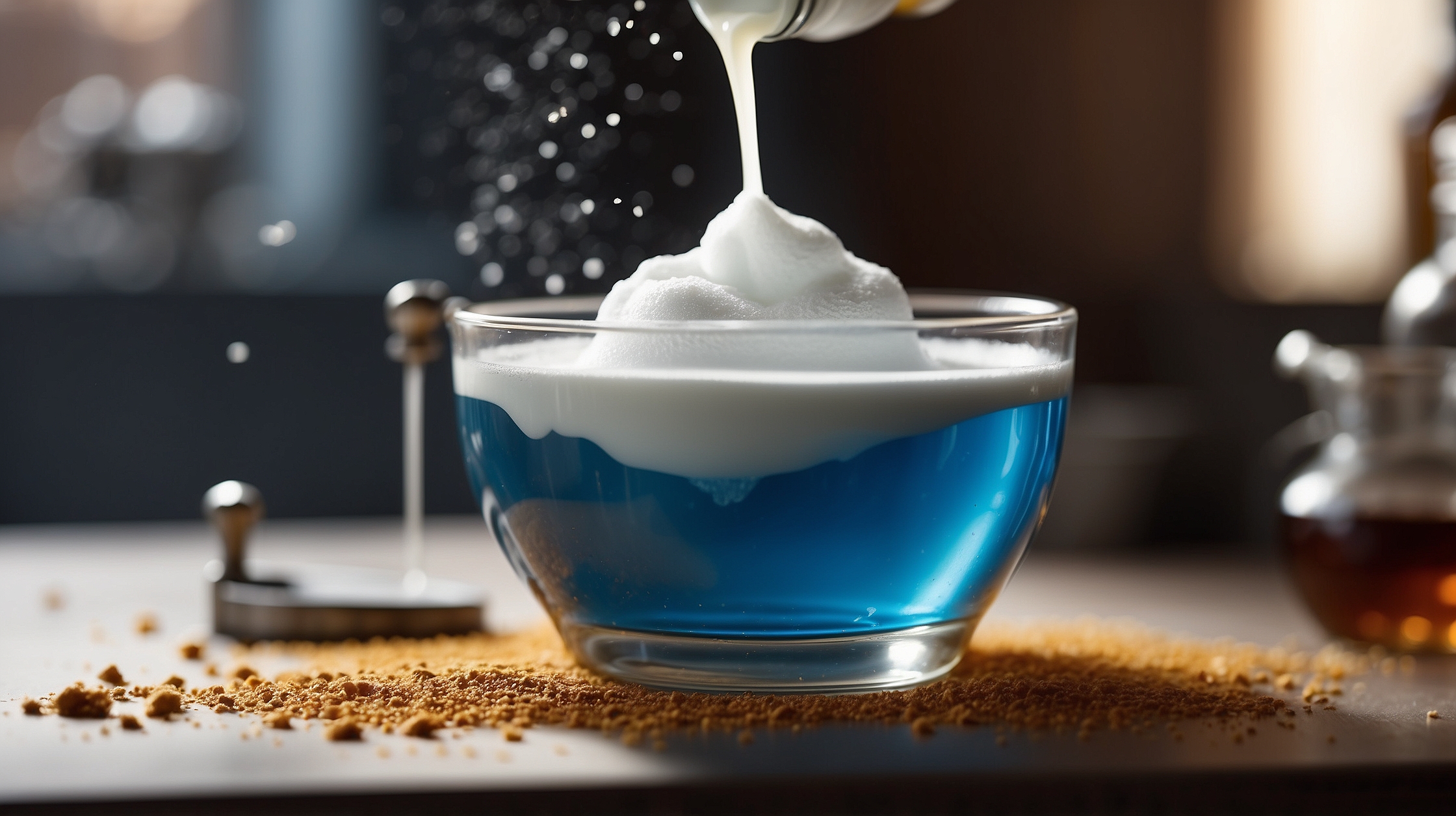
It’s no secret: the internet offers endless DIY tricks and cleaning hacks involving common household items. Among the most popular combinations? **Baking soda and hydrogen peroxide**. Touted as a powerful cleaning, whitening, and even health-boosting duo, this mixture continues to grab attention on social media and in natural living circles. But is this blend a brilliant multitasker or a risky shortcut with hidden dangers?
Experts agree that while both ingredients have impressive individual uses, combining them requires a bit more knowledge to ensure safety and avoid unintended consequences. Understanding the chemistry and proper applications of baking soda and hydrogen peroxide is essential for anyone considering using them together—whether for cleaning, teeth whitening, or skincare.
Quick overview of baking soda and hydrogen peroxide
| Component | Primary Use | Common Applications | Potential Concerns |
|---|---|---|---|
| Baking Soda | Alkaline cleaning agent | Deodorizing, whitening, mild abrasive | Alters pH, may irritate skin with overuse |
| Hydrogen Peroxide (3%) | Disinfectant, oxidizer | Wound care, stain removal, whitening agent | Can bleach fabric, may irritate mucus membranes |
Why these two ingredients are often paired together
The appeal of combining hydrogen peroxide with baking soda stems from strong anecdotal evidence and some basic chemistry. Together, they form a bubbling reaction that can lift grime, obliterate stains, and even neutralize odors. Their synergy as a **natural cleaning duo** often outperforms commercial products that contain harsh chemicals or fragrances that trigger sensitivities.
People commonly use this mixture as a teeth whitener, household cleaner, mold remover, and more. The fizzing action from the oxygen release in hydrogen peroxide, enhanced by the mild abrasiveness of baking soda, makes it a versatile solution for household needs.
“Hydrogen peroxide breaks down protein-based stains using oxidation, while baking soda’s granules provide mechanical scrubbing. It’s a powerful combination—when used correctly.”
— Dr. Emily Kirsch, Clinical Toxicologist
How to safely mix baking soda and hydrogen peroxide
Mixing baking soda and hydrogen peroxide shouldn’t be done casually. Experts recommend using **3% hydrogen peroxide**, which is widely available in drugstores and considered safe for topical and cleaning uses. A simple paste of **2 parts baking soda to 1 part hydrogen peroxide** is commonly used for applications like teeth whitening or grout cleaning.
Always prepare and use this mixture in well-ventilated areas. Do not store the mixture for long periods, as the reaction starts to degrade soon after mixing and can lose potency or become unstable under sealed conditions.
Household cleaning uses that work
This combo shines when it comes to surface cleaning. It’s highly effective on bathroom tiles, grout, and even kitchen appliances. Mixed into a paste, it can be applied to stains, allowed to sit for 10–15 minutes, and then scrubbed and rinsed. The bubbling reaction helps lift grime and destroy odor-causing bacteria.
Cleaning professionals approve of using it on glass, porcelain, and countertops—so long as the surfaces are not highly porous or reactive with oxidizers. Avoid using the mixture on metal surfaces like aluminum or materials like marble without first testing in an inconspicuous area.
“Always patch-test first, even for household cleaning. Hydrogen peroxide is a bleaching agent, and combined with a base like baking soda, it can dull or etch sensitive surfaces.”
— Karen Rollins, Eco-Cleaning Specialist
Teeth whitening: effective but with caveats
One of the most common personal uses of this mixture is as a **DIY whitening toothpaste**. By gently scrubbing with this paste, many users report visibly whiter teeth after just a few uses. The oxidation from hydrogen peroxide helps lift surface stains, while the mild abrasiveness of baking soda polishes enamel.
However, dental experts caution against overuse. Over time, this method can erode enamel or irritate gums if applied too aggressively or frequently. Most recommendations suggest limiting this routine to once or twice a week and consulting a dentist before incorporating it into your regular oral care routine.
“Hydrogen peroxide can penetrate enamel and reach the dentin layer, helping to whiten. But overuse or incorrect concentration can lead to pain or sensitization.”
— Dr. Marcus Lee, DDS, Cosmetic Dentistry Specialist
Skincare uses: proceed with caution
Baking soda and hydrogen peroxide are sometimes used in DIY skincare masks or acne spot treatments. While this might seem beneficial due to their antibacterial properties, dermatologists urge caution. Hydrogen peroxide can dry out skin, disrupt the skin barrier, and in rare cases, cause chemical burns—especially when applied repeatedly.
Likewise, baking soda’s pH disrupts the skin’s natural acidic mantle, which helps protect against bacteria and moisture loss. For spot treatment, it’s better to rely on dermatologically approved options unless under medical supervision.
When this mix becomes unsafe
Problems can arise if either ingredient is used in high concentrations or mixed improperly. Overusing this combination on skin or teeth can cause irritation, damage, and increased sensitivity. Never mix **hydrogen peroxide stronger than 3%** with baking soda for household or personal uses unless directed by a professional.
Importantly, storing the mixture in a sealed container is ill-advised. The unstable nature of hydrogen peroxide means it continues breaking down after use, potentially building pressure in airtight containers and leading to burst bottles or degradation of effectiveness.
Environmental pros and cons
From an eco-friendly standpoint, baking soda and hydrogen peroxide are preferable alternatives to chemical-heavy cleaners. They break down into non-toxic components: water, oxygen, and sodium ions. This makes them a good choice for environmentally conscious households trying to minimize their chemical impact.
However, overuse still contributes to environmental load. Always avoid flushing large volumes of these substances down drains unless heavily diluted. Moderation and mindful application remain key.
Who benefits—and who should avoid this combo
| Winners | Losers |
|---|---|
| Eco-conscious homeowners seeking DIY cleaners | Individuals with sensitive skin or teeth |
| Those looking for non-toxic household alternatives | People with open wounds or skin disorders |
| DIY sunscreen and beauty enthusiasts (with caution) | Children or pets accidentally exposed to paste |
FAQs about mixing baking soda and hydrogen peroxide
Is it safe to brush your teeth with baking soda and hydrogen peroxide?
Used occasionally, it’s generally safe. But overuse can damage enamel and irritate gums. Always consult with a dental professional.
Can this mixture disinfect surfaces effectively?
Yes. The combination acts as a potent disinfectant, particularly against bacteria and mildew. It should not replace hospital-grade disinfectants for serious needs, though.
Can I store the mixed solution for future use?
No. It degrades quickly and shouldn’t be stored in sealed containers. Always mix it fresh and discard leftovers safely.
Is the mixture safe for use around pets and kids?
Only when completely rinsed off surfaces. Ingesting or inhaling the mixture can be irritating or harmful to young children and animals.
Will this whiten laundry or remove stains from clothes?
Yes, it can lift certain stains or lighten whites. However, it may bleach or damage colored fabrics if not tested first.
Can I use this combo on my face?
Not recommended. There are risks of skin irritation, dryness, or chemical burns, especially for sensitive skin types.
What’s the correct concentration of hydrogen peroxide to use?
Always use a 3% solution for home use. Anything stronger should be handled with gloves and under professional guidance.
Does this combo kill mold and mildew?
Yes, especially in bathrooms or kitchens. The bubbling action helps dislodge visible spores, but for deep infestations, professional removal is advised.