As the seasons shift and colder temperatures set in, indoor plants often struggle to thrive. While many houseplant lovers turn to heating mats, humidifiers, or strategic window placement, a growing number of savvy indoor gardeners have discovered a simple, natural, and inexpensive method to help their plants stay healthy during the winter months: adding pine cones to the soil. This surprising trend isn’t just charming or decorative — it offers a range of benefits that can significantly improve plant health and soil quality.
Throughout colder months, houseplants are subjected to low humidity, inconsistent light, and slowed growth. Many struggle with root compaction, water retention issues, or pests lurking in damp soil. Pine cones, traditionally associated with winter decor, serve a more functional purpose for those in the know. By integrating these woody seed pods into the top layer of their houseplant soil, gardeners can give their leafy companions a fighting chance during the harder half of the year.
Why gardeners are turning to pine cones for plant health
| Key Feature | Benefit of Pine Cones |
|---|---|
| Aeration | Improves airflow in dense potting soil |
| Water Retention | Helps prevent overwatering and root rot |
| Natural Mulch | Reduces evaporation and helps insulate soil |
| Pest Deterrent | Reduces chances of fungus gnats and soil-borne pests |
| Visual Appeal | Adds a rustic, natural aesthetic to pots |
How pine cones improve soil structure during winter
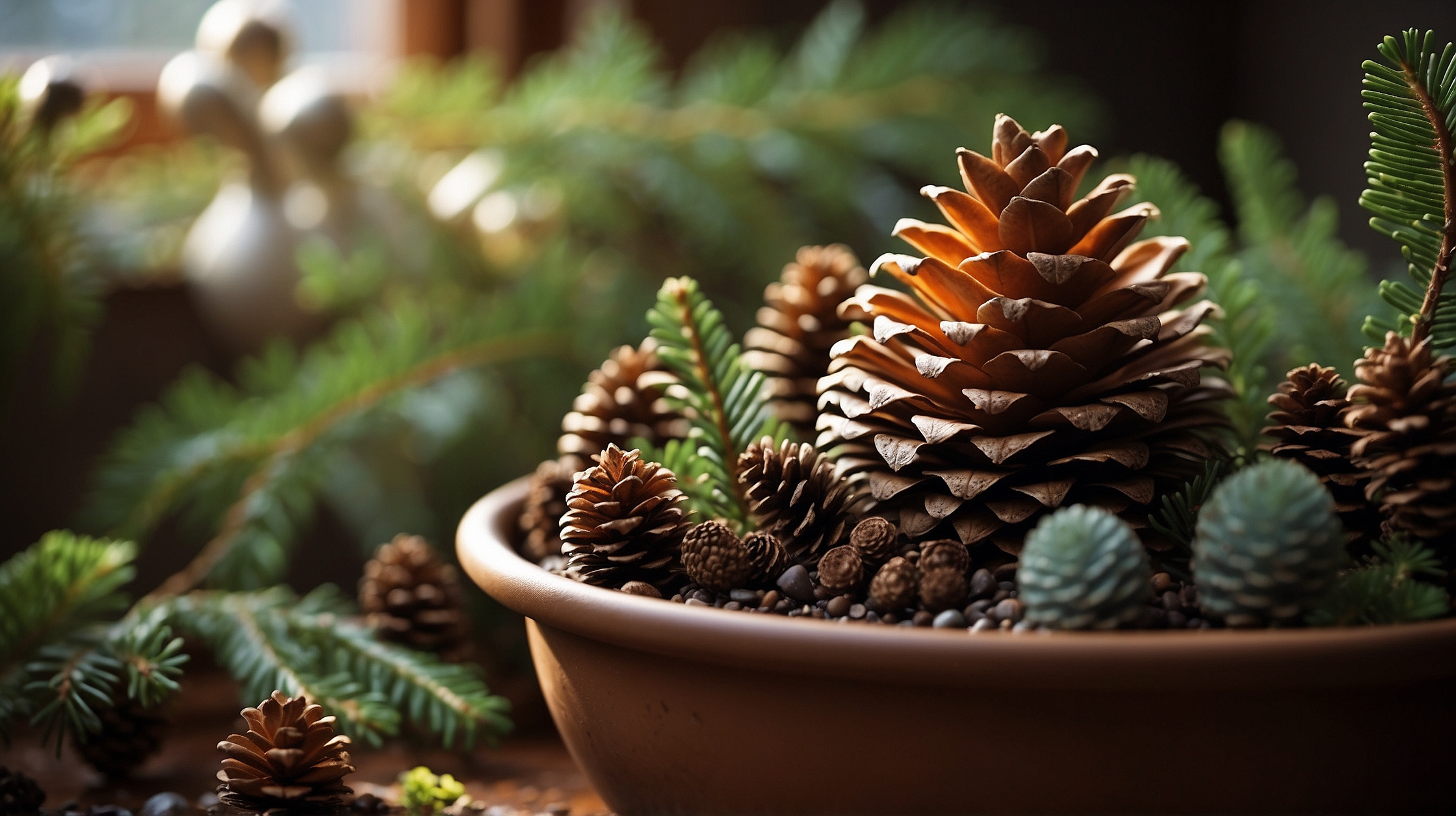
In colder months, soil in indoor containers becomes compacted due to a combination of reduced evaporation, infrequent watering, and indoor temperature changes. This compaction inhibits root growth and reduces oxygen distribution. Pine cones, when laid atop soil or even partially mixed into the top 2 inches, function as natural spacers — breaking up densely packed potting mixes and allowing air and water to move more freely.
“Proper aeration is crucial, especially in winter, when plant roots become more susceptible to rot,” explains indoor plant specialist Maria Perez.
“Pine cones create micro-pockets for airflow without impeding moisture penetration.”
— Maria Perez, Indoor Plant Specialist
Moisture management with pine cones
Overwatering is a common issue among winter houseplant caretakers. With cooler temperatures and less sun, plants use less water than in the spring or summer — yet many plant lovers stick to the same watering schedule. Layering pine cones on top of the soil serves two purposes: slowing water absorption into the soil and acting as an evaporation barrier for increased consistency in soil moisture. This helps keep the root zone within the “just moist enough” sweet spot.
Unlike plastic or ceramic mulch alternatives, pine cones adapt naturally to moisture changes without trapping excess water. They function as both a hydration buffer and a visual cue. Dry pine cones often signal a dry soil environment, prompting watering at the right time.
Fewer pests and less fungus
Winter brings with it not just holiday spirit, but also unwanted guests like fungus gnats and mold. These pests thrive in dark, damp potting soil. Covering the soil surface with pine cones adds an irregular, dry layer that prevents adult gnats from laying eggs in the moist substrate underneath.
“A layer of pine cones works similarly to horticultural sand for pest prevention but with the added organic benefits,”
— Jordan Ellis, Soil Scientist
Additionally, pine cones are naturally acidic and contain small amounts of antimicrobial compounds. These properties help reduce the growth of surface mold or moss without affecting the plant’s necessary microbial ecosystem.
Choosing the right kind of pine cones for your plants
Not all pine cones are created equal when it comes to plant care. It’s important to select untreated, pesticide-free cones collected ideally from your own garden or trusted natural area. Avoid sprayed or painted cones often used for decoration, as these could leach chemicals into your soil.
Before adding them to your pots, it’s recommended to bake the pine cones at a low temperature (around 200°F for 30 minutes) to kill any residual bugs or fungi. Once cleaned and aired, they are safe for both tropical and succulent plants alike.
Step-by-step guide to using pine cones in houseplant soil
- Gather or purchase untreated, clean pine cones.
- Bake at 200°F for 30 minutes to sterilize them from insects or spores.
- Allow cones to cool and naturally open if tightly closed from moisture.
- Place 3–5 cones on the surface of each pot, ensuring some contact with topsoil.
- Gently press them into the soil by 1/2 inch if extra insulation is desired.
- Water as usual, adjusting only if moisture retention has increased noticeably.
Aesthetic benefits for your indoor garden
Aside from their practical uses, pine cones also bring a cozy woodland charm to any indoor plant display. Their shape and color naturally blend with neutral or earthy tones, enhancing the visual appeal of your indoor pots during those gloomy December days.
Combined with terra cotta containers or hanging macramé planters, pine cones give an affordable, seasonal uplift — better still, they require zero maintenance once installed.
Winners and losers: Who should and shouldn’t be using pine cones
| Winners | Losers |
|---|---|
| Indoor gardeners in dry, cold climates | Growers using decorative, treated cones |
| Owners of moisture-sensitive plants | Plants that require arid soil with no surface cover |
| People looking to improve pot aesthetics naturally | Environmentally controlled greenhouse growers |
Long-term benefits and storage tips
While pine cones can degrade naturally over time, they usually last an entire winter season with minimal breakdown. Pieces that crack or disintegrate can be worked into the top layer of soil as gentle organic matter. If unused, remaining cones should be stored in a dry, ventilated bin to prevent mold accumulation.
For those interested in sustainable agriculture and regenerative indoor gardening, reusing and repurposing organic matter is a core principle. Pine cones, in their utility and compostable nature, fit this ethos perfectly.
Short FAQs
Can I use pine cones from my backyard?
Yes, as long as they haven’t been chemically treated or exposed to pollution. Always sterilize them before use.
Do pine cones attract bugs?
If properly cleaned and dried, pine cones will not attract insects. Baking them kills larvae and spores.
Are pine cones safe for all houseplants?
Most houseplants benefit from top-dressing with pine cones, but very arid-soil plants (like cacti) may do better without added mulch.
How long will pine cones last in soil?
Typically one full winter season. Replace or compost them every 3–4 months.
Can I mix pine cone pieces into the soil?
Yes, broken bits can improve drainage and structure but avoid overuse as it can hinder root growth in small pots.
Will pine cones change soil pH?
They can slightly acidify soil over time, but the effect is typically minor and beneficial for most houseplants.
How many pine cones should I use per pot?
Depending on the pot size, 3–5 cones evenly spaced is sufficient for airflow and coverage.
Is this method environmentally friendly?
Absolutely. It utilizes natural, biodegradable materials that align with sustainable gardening practices.